A Day Lost in Beijing's Hutongs — What I Found in the Narrow Alleys
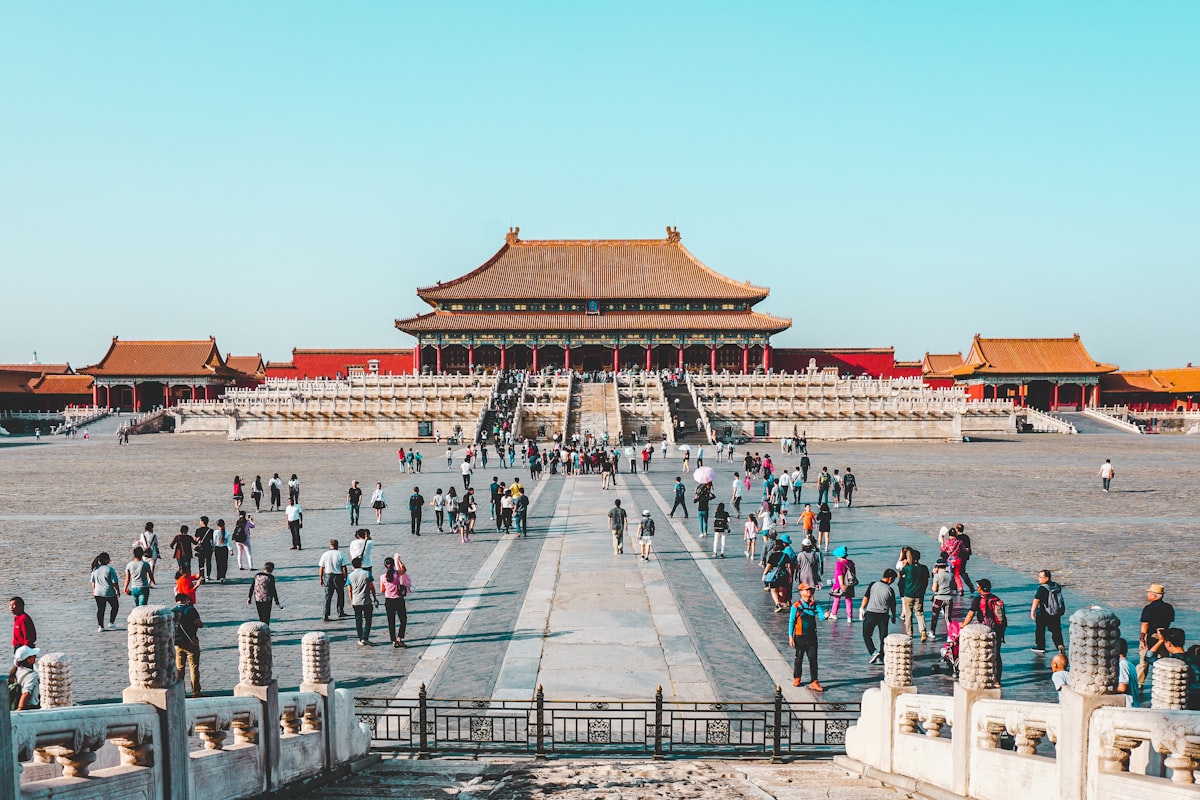
Beijing’s modern face — the gleaming skyscrapers of Guomao, the Olympic Bird’s Nest, the six-lane ring roads — is what most visitors expect. But tucked between these monuments to progress are the city’s true soul: the hutongs.
These narrow alleyways, lined with traditional courtyard homes (siheyuan), have been the backbone of Beijing life for over 700 years. While many were bulldozed during the city’s rapid modernization, pockets survive — and they’re magical.
Where to Start: Gulou (Drum Tower) Area
My journey began at the Drum Tower (鼓楼), in the heart of old Beijing. The area around Gulou and its twin, the Bell Tower (钟楼), is one of the best-preserved hutong districts in the city.
Pro tip: Arrive around 8 AM. The morning light filtering through the narrow alleys is gorgeous for photos, and you’ll catch locals starting their day — buying breakfast, walking dogs, practicing tai chi in tiny courtyards.
From the Drum Tower, I headed east into the Nanluoguxiang area. Yes, Nanluoguxiang itself is touristy — a straight north-south alley packed with souvenir shops and bubble tea — but that’s exactly why you should turn left or right into any side alley.
The Magic is in the Side Streets
The moment I stepped off Nanluoguxiang into a nameless side alley, everything changed:
- The crowds vanished
- The souvenir shops gave way to local noodle joints
- I could hear birdsong instead of selfie-stick vendors
- Old men played chess on wooden stools outside their gates
I spent three hours wandering without a map. Every turn revealed something unexpected — a tiny temple hidden behind a red door, a rooftop cat watching me from above, the smell of jianbing (煎饼) being made on a street cart.
Where to Eat: Hutong Food Finds
Breakfast: Daxing Hutong
Just off Jiaodaokou, there’s a tiny shop at No. 12 Daxing Hutong that serves the best douzhi (豆汁) — fermented mung bean milk. It’s an acquired taste (okay, I didn’t love it), but the accompanying jiaoquan (焦圈) — crispy fried dough rings — are fantastic.
Lunch: Fangzhuanchang Hutong
Nearby, Fangzhuanchang Hutong (方砖厂胡同) is famous for zhajiangmian (炸酱面) — Beijing-style noodles with soybean paste. The line at lunchtime tells you everything you need to know.
The Best Hutongs to Visit
| Hutong | Known For | Best Time |
|---|---|---|
| Yandai Xiejie | Pipe-shaped street, art shops | Late afternoon |
| Mao’er Hutong | Traditional residences, quiet | Morning |
| Baochao Hutong | Hidden bars, nightlife | Evening |
| Wudaoying Hutong | Boutique shops, cafes | Afternoon |
| Shijia Hutong | Museum of Beijing history | Any time |
A Moment I’ll Never Forget
Around noon, I stopped at a small courtyard entrance to check my phone. An elderly woman — maybe 80, with a face full of stories — opened her door and gestured me inside.
She didn’t speak English. I speak about ten words of Mandarin. But for twenty minutes, she showed me her courtyard home, pointed at family photos, and served me tea. Her grandson, who’d been visiting, translated a few things on his phone: “Grandma says this house has been in our family for four generations.”
That’s what you can’t get from a guidebook.
Practical Tips for Hutong Wandering
- Comfortable shoes are non-negotiable. You’ll walk miles on uneven stone.
- Bring cash. Some tiny noodle shops don’t take WeChat Pay from foreign cards.
- Don’t be afraid to get lost. The hutongs are generally safe during daylight. GPS works fine when you need to find your way out.
- Be respectful. People live in these alleyways. Don’t peer into windows or photograph people without asking.
- Rent a bike. Many hostels near Gulou rent bicycles for ~30 RMB/day. The wider hutongs are perfect for cycling.
How to Get There
Take Subway Line 8 to Shichahai Station (Exit A2) or Line 2 to Guloudajie Station. The hutong district is walkable from either.
Have you explored Beijing’s hutongs? I’d love to hear about your favourite alley discoveries.